Stepping into Valletta is like walking into an open-air museum. Despite being one of Europe’s smallest capital cities, Valletta packs a massive punch with its rich history, charming steep limestone streets and the unforgettable view of the grand harbour. We fell in love with Valletta and it quickly become one of our favourite European cities and we are sure you will love it too!
A quick look at Valletta
Country: Malta
Population: 5,160
Language: Maltese
Currency: Euro
Best Month to Visit: June
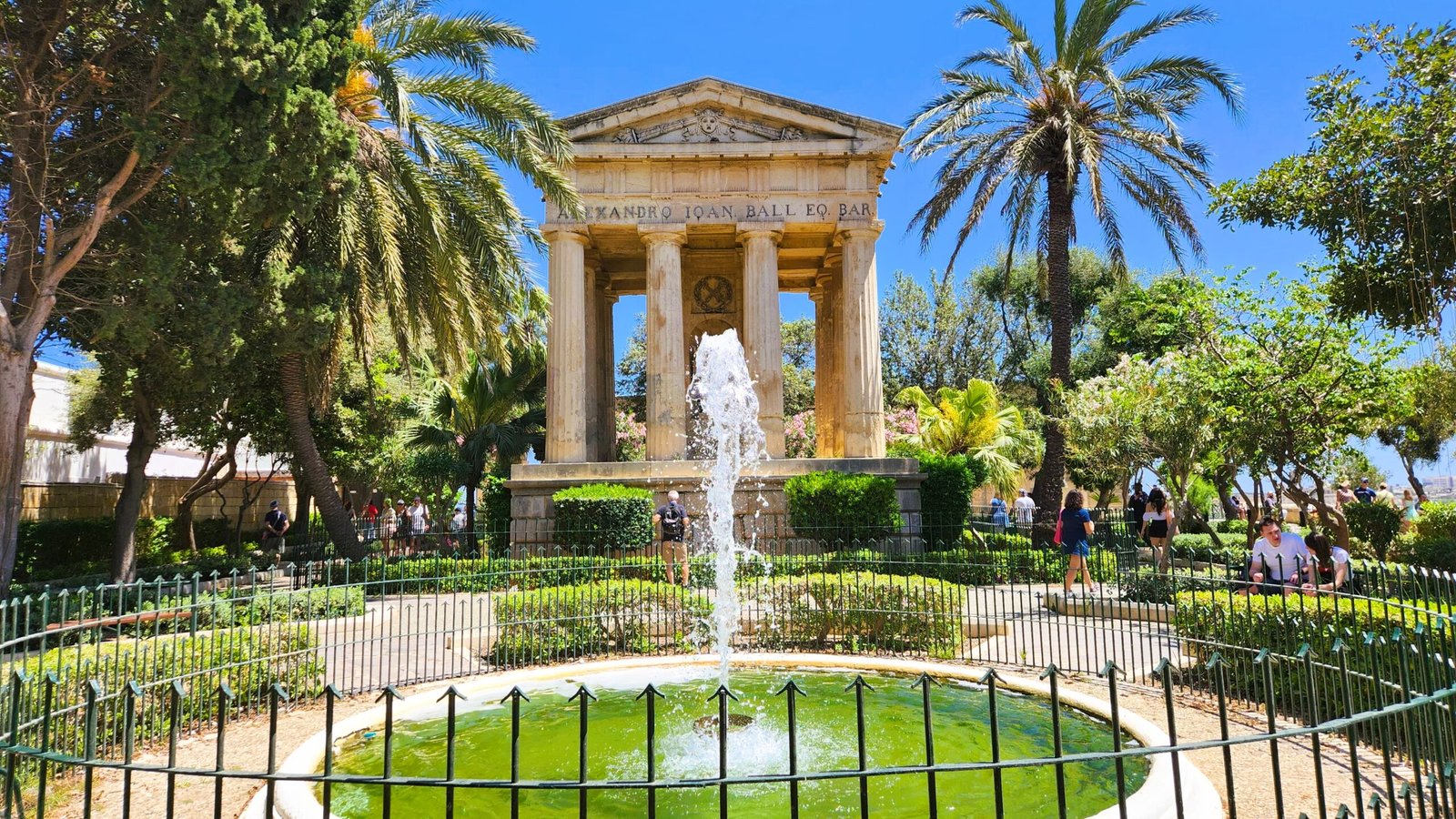
Must See: Upper Barrakka Gardens
Must Eat: Pastitsi
How to get to Valletta?
Valletta is highly accessible, serving as the central hub for the Maltese islands. Most travelers arrive via Malta International Airport (MLA), located just 8 kilometers away in Luqa. From the airport, you can take the Airport direct bus TD4 that goes straight to the Valletta City Gate terminal. The service cost €3.00 and runs every 30 minutes. Alternatively, taxis are readily available and take about 15 to 20 minutes.
Getting Around Valletta
The best way to explore Valletta is on foot. The city was designed on a grid system, making it easy to navigate, though you should prepare for some steep hills and tackling iconic limestone steps. Because Valletta is compact, you can walk from one side to the other in under 20 minutes. For destinations outside the capital, the main Valletta Bus Terminal sits right outside the old city gates, offering routes to every corner of the island. To cross over to the historic Three Cities or the bustling nightlife hub of Sliema, regular ferry services depart from the Fast Ferry Terminal (Both Locations makrd on the map).
When is the best time to visit Valletta?
The ideal time to visit Valletta is during the shoulder seasons: spring (April to May) and autumn (September to October). During these months, the weather is warm and sunny, perfect for sightseeing without the intense heat of the peak summer months. July and August bring high temperatures and larger crowds. Winter (November to March) is mild and budget-friendly, though it can be a bit windy and rainy.

Where to stay?
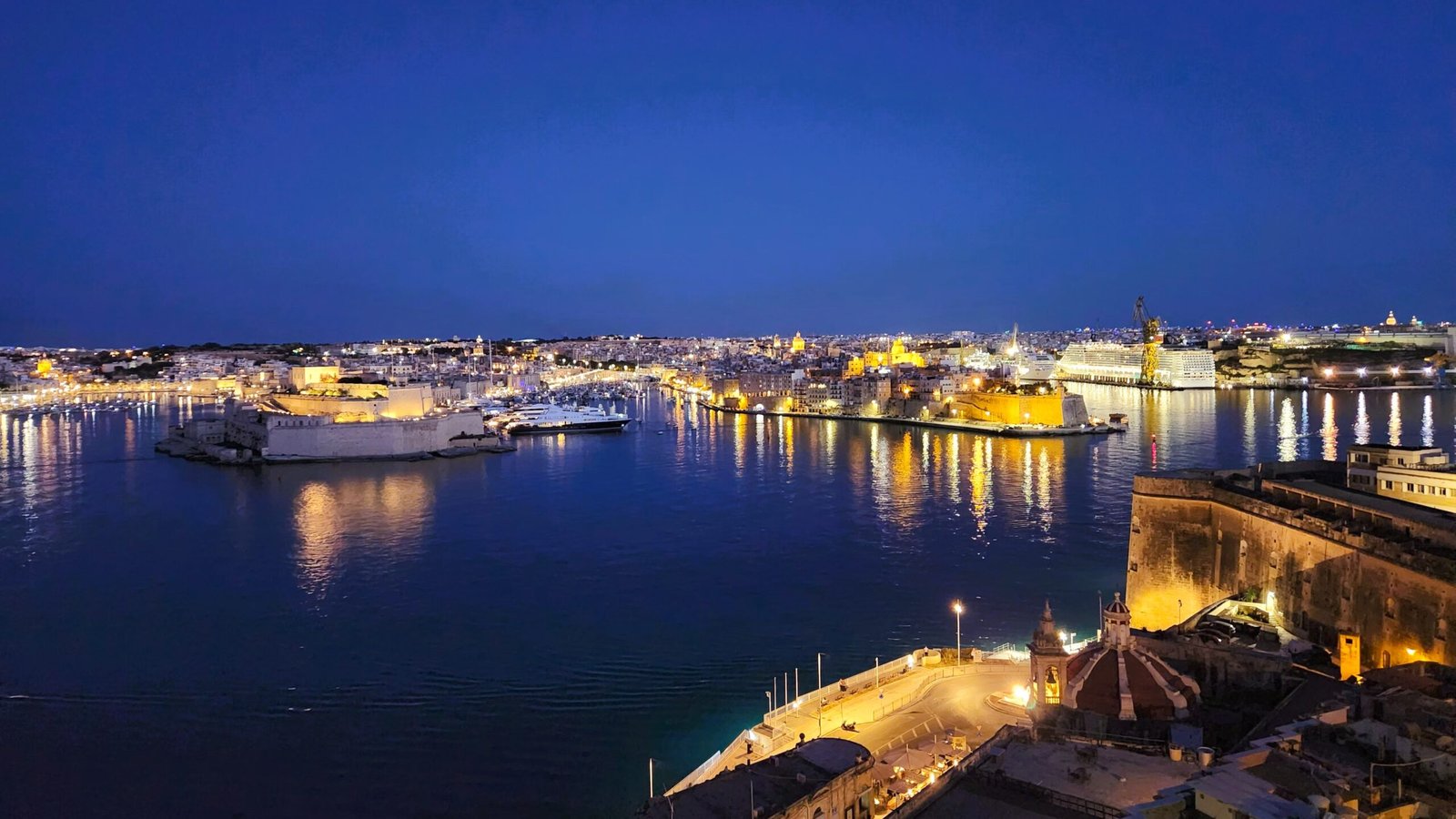
Valletta doesn’t offer much in the way of budget accomodation you will need to look further outside the city for that. Most hotels range from mid-range to luxury but offer stunning architectural details and rooftop terraces. If you prefer large resort style amenities or a bustling nightlife right at your doorstep, consider staying just outside the city walls in Sliema or for a quieter more local experience consider the Three Cities. We stayed at the Grand Harbour Hotel that had an amazing rooftop terrace with front row seats to the grand harbour. The rooms were clean but a little dated but the rooftop terrace alone made up for it!
Things to do in Valletta
St. John’s Co-Cathedral
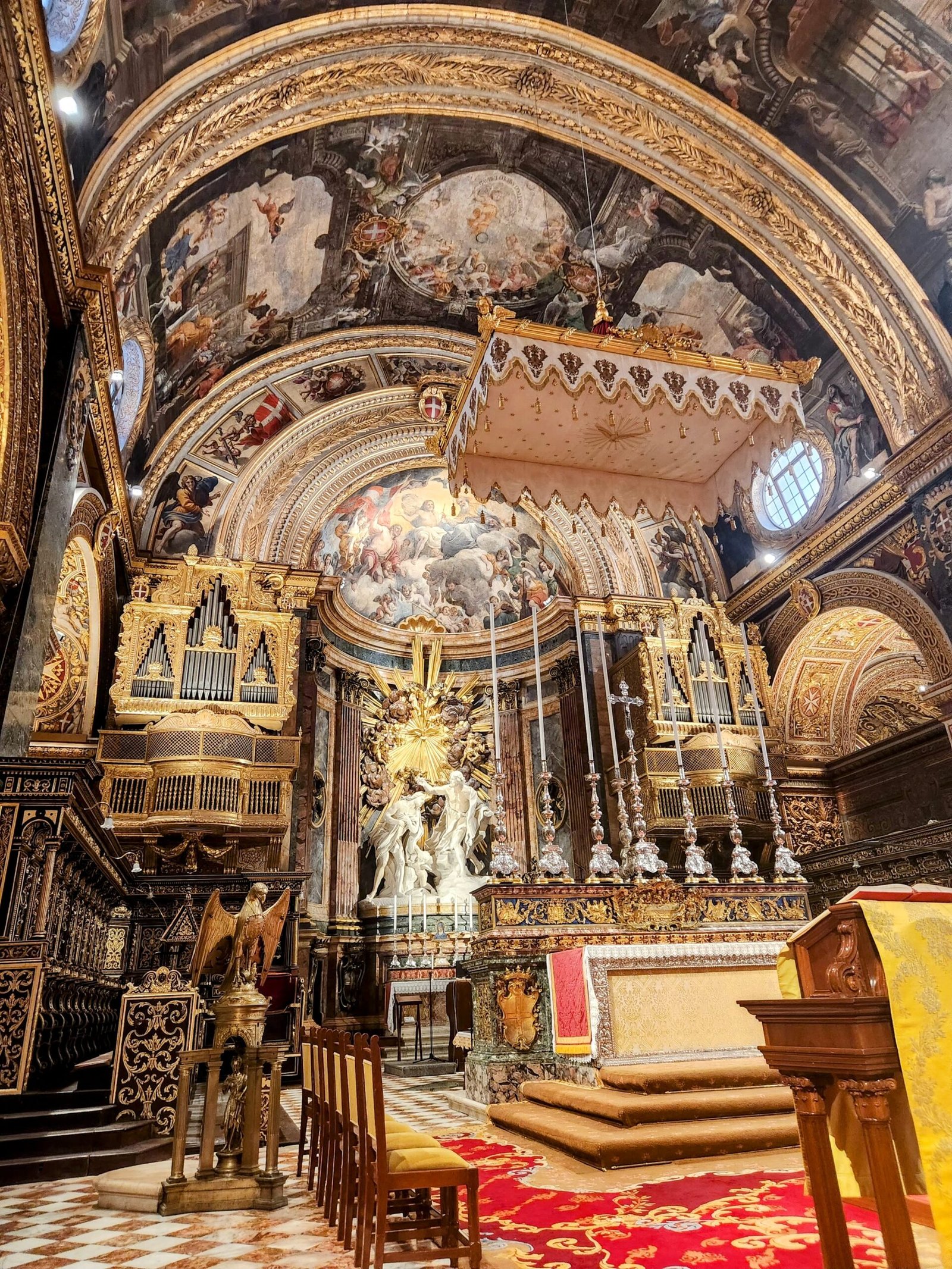
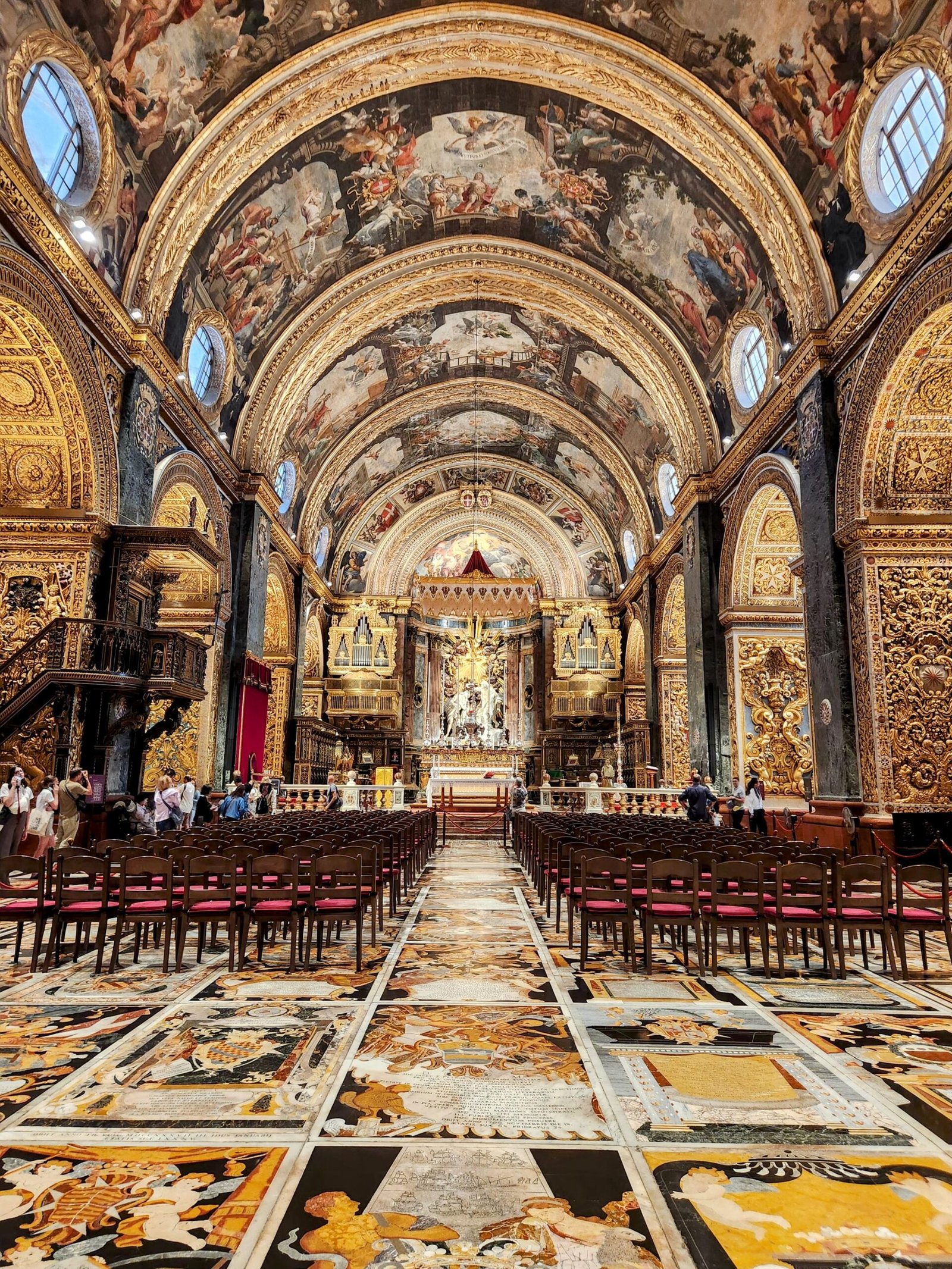
St. John’s Co-Cathedral was built by the Knights of St. John between 1572 and 1577. Don’t let its plain exterior fool you, the interior is a masterpiece of High Baroque art. Inside, every surface is covered in gold leaf, carved stone, and painted vaulted ceilings. The floor consists of nearly 400 intricate marble tombstones of noble knights. It is also famous for housing Caravaggio’s largest signed masterpiece, “The Beheading of Saint John the Baptist”. It costs €15.00 to enter and if you book your ticket online you will skip the long queues to enter!
Upper Barrakka Gardens
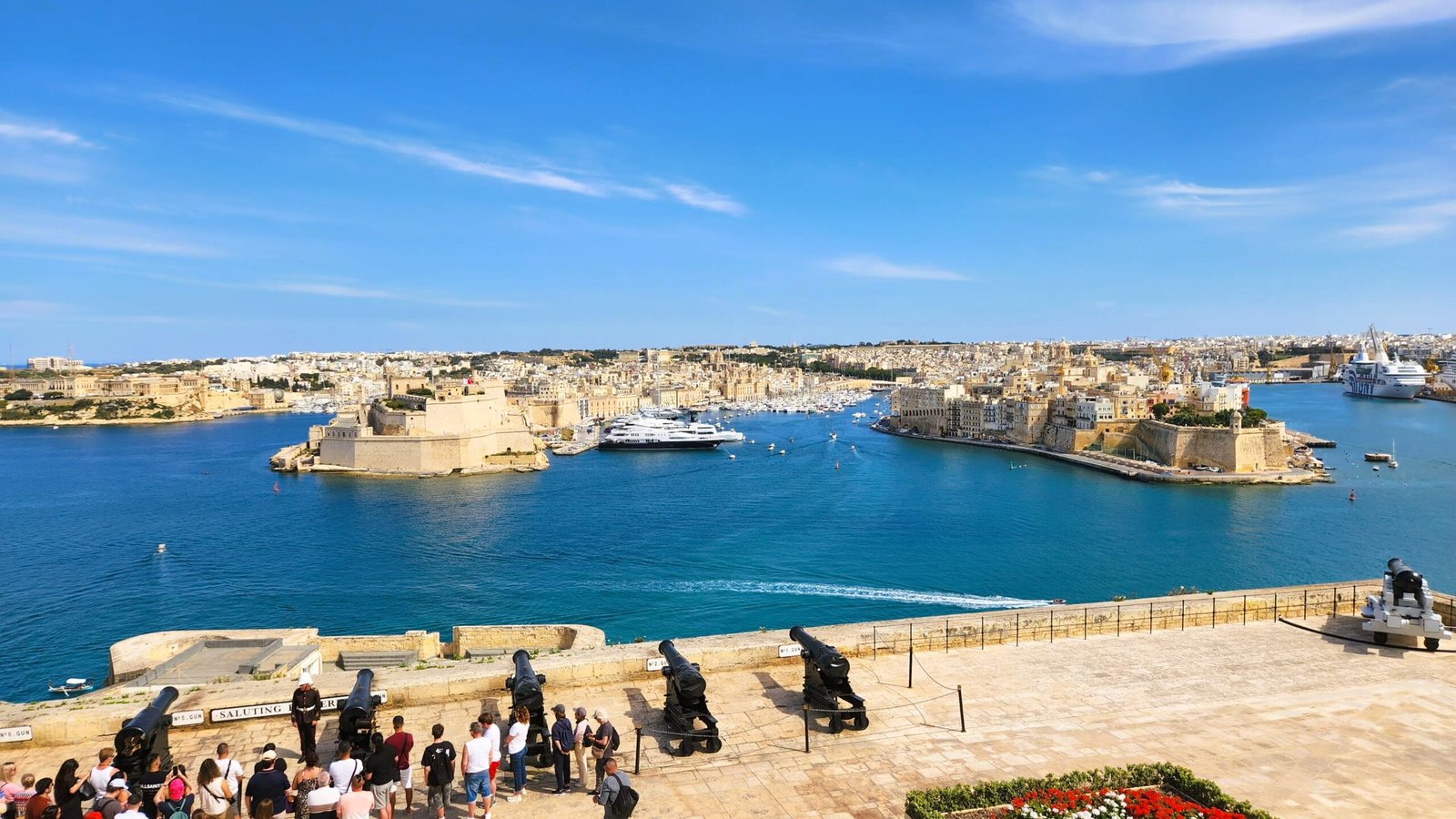
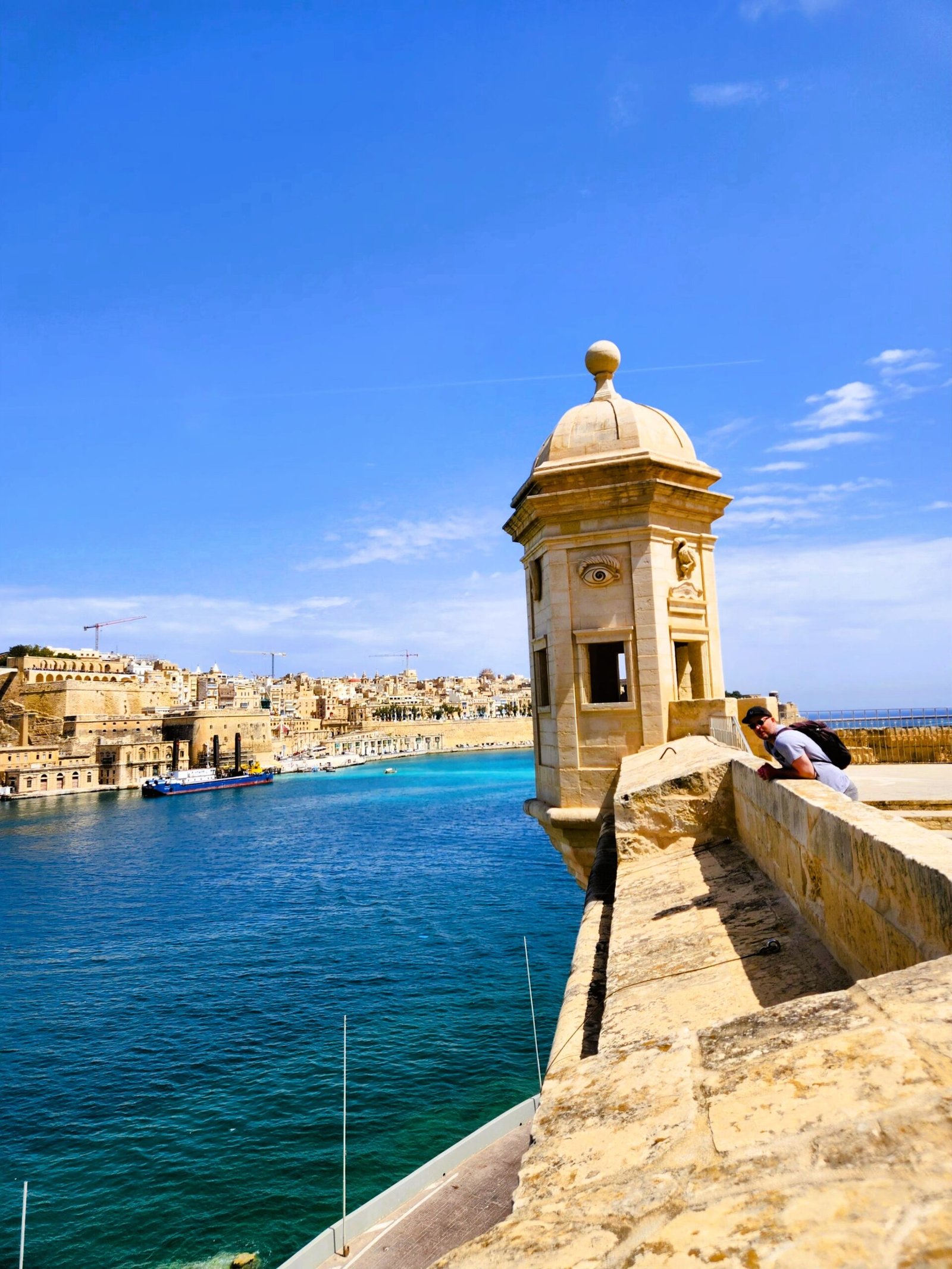
The garden sits on the upper tier of the St. Peter and Paul Bastion, providing a dramatic viewpoint overlooking the Grand Harbour and the historic Three Cities across the water. Originally created as a private relaxation space for the Knights of St. John in the 16th century, it was opened to the public in 1800. Don’t miss the Saluting Battery! Located on the terrace just below the gardens, this historic battery fires ceremonial cannon shots daily at 12:00 PM and 4:00 PM. You can watch the cannons fire up close from the lower terrace, which costs €3.00 per adult, but it is free from the gardens, where you actually get a better view.
Grandmaster’s Palace
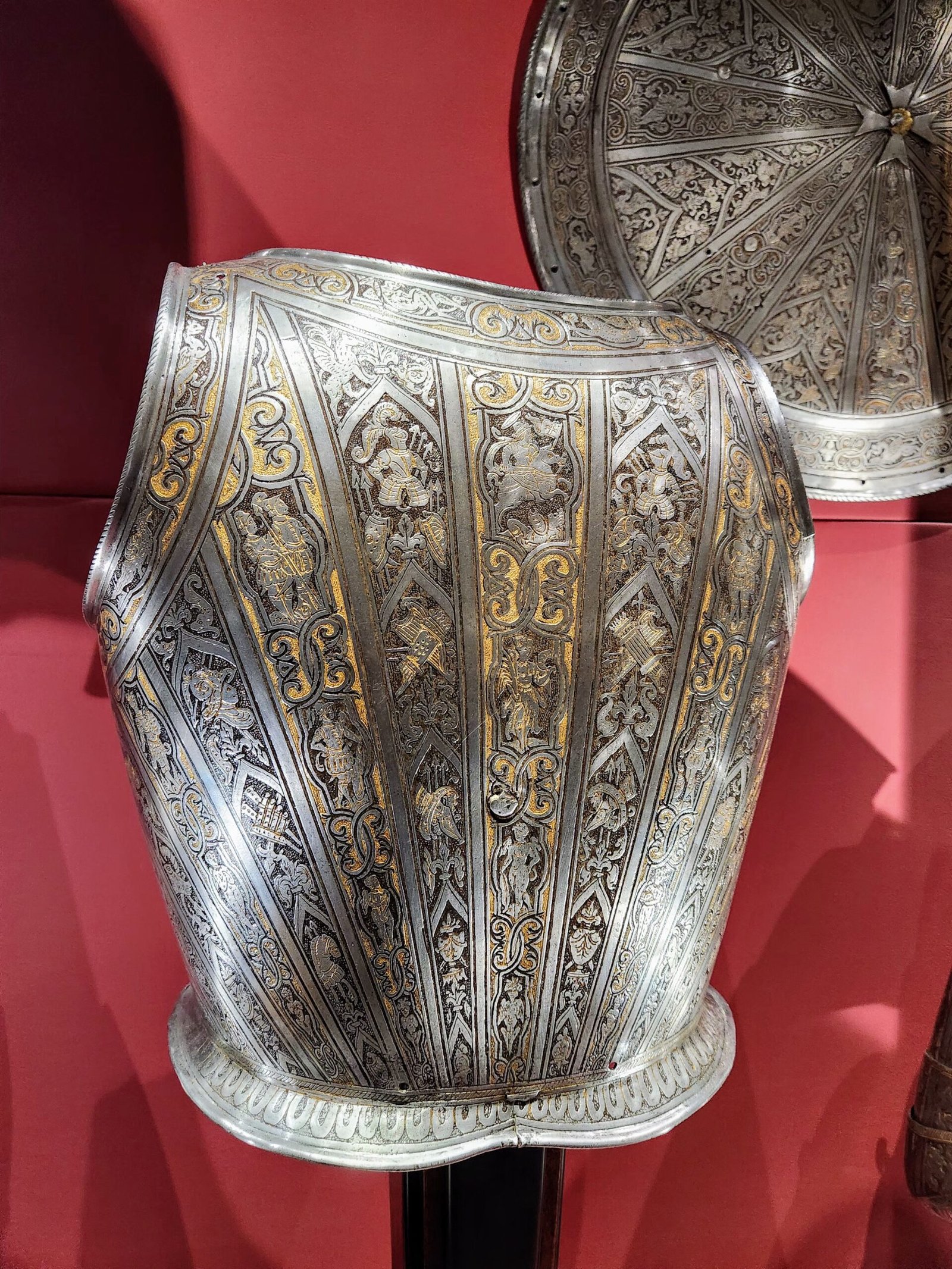
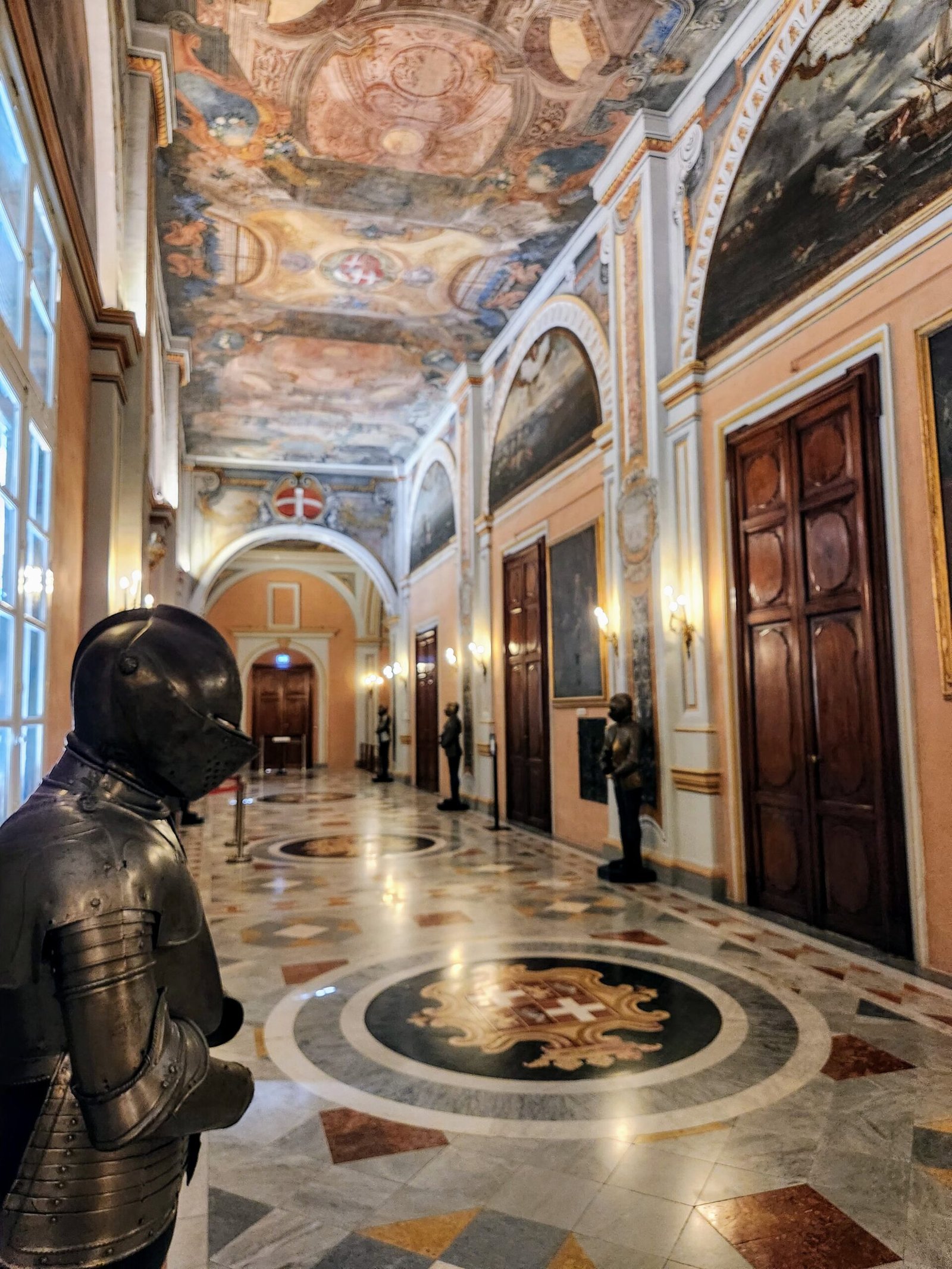
The Grand Master’s Palace was built in the 16th-century by the Knights of St. John. It served two main functions: The Official Residence of the Grand Master of the Order and the administrative hub houseing the order’s core government offices. Today, it serves as the official Office of the President of Malta and a museum. Inside you will find spectacular State Rooms, which are filled with beautiful frescoes and fine tapestries, alongside the Palace Armoury, which holds a vast collection of authentic weapons and suits of armor. It costs €12.00 to enter per adult the armoury is worth the price of entry alone!
Visit the Three Cities on a Traditional Dgħajsa Boat
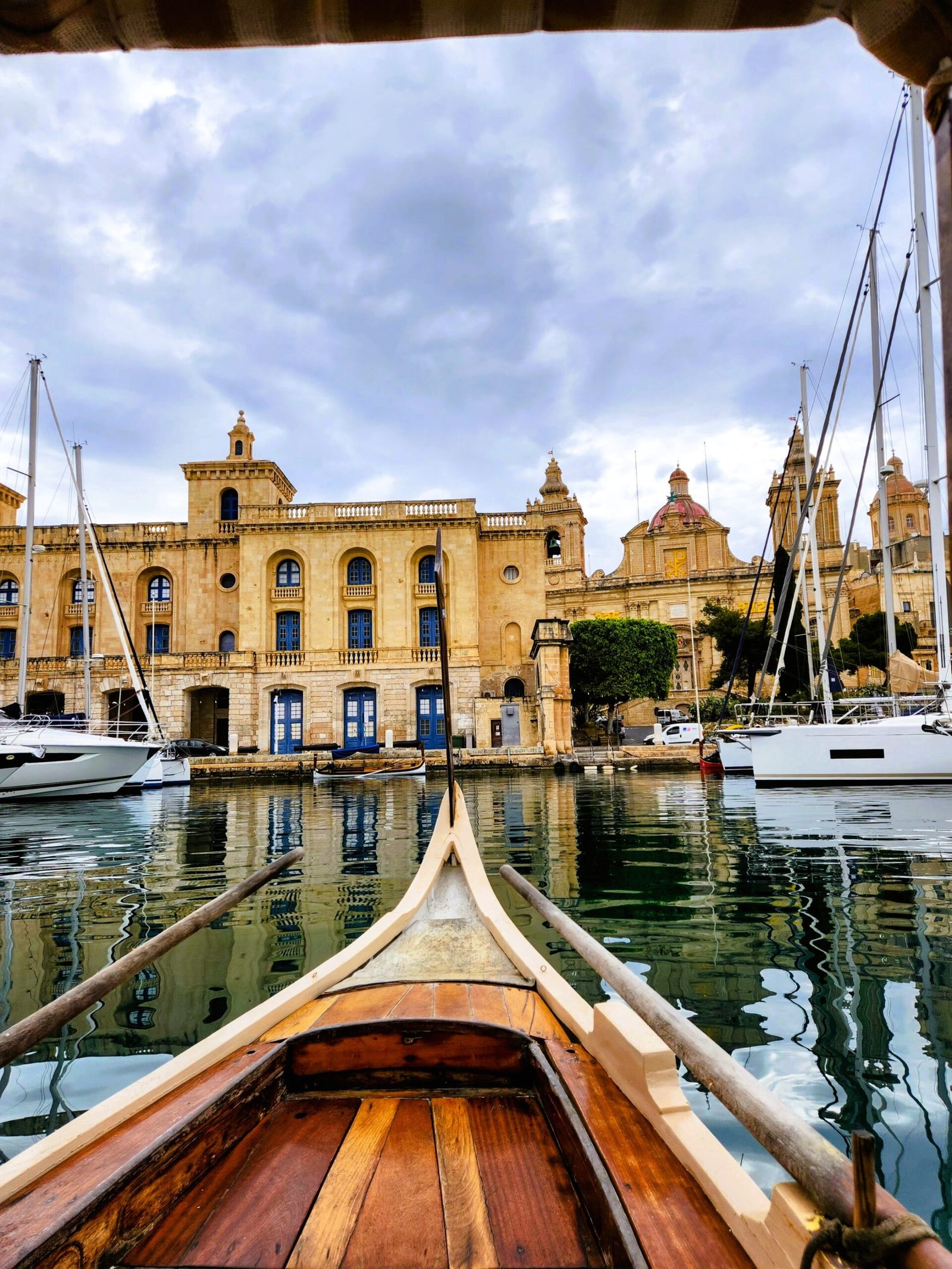
Stepping into a traditional dgħajsa (pronounced “djay-sa”) and crossing to the Three Cities was our favourite experience of the Valletta trip. These brightly colored wooden boats have glided across Malta’s waters for centuries, and there is no better way to experience the Grand Harbour! Slowly moving accross the harbour as travelers did hundreds of years ago and seeing the grandeur of the Grand Harbour from the water is an unforgettable experience. It only cost us €7.00 for the a journey and do it early in the morning to have the dgħajsa all to yourself! While you are in the three cities make sure you check out Fort St Angelo and Gargjola Gardens.
Triton Square
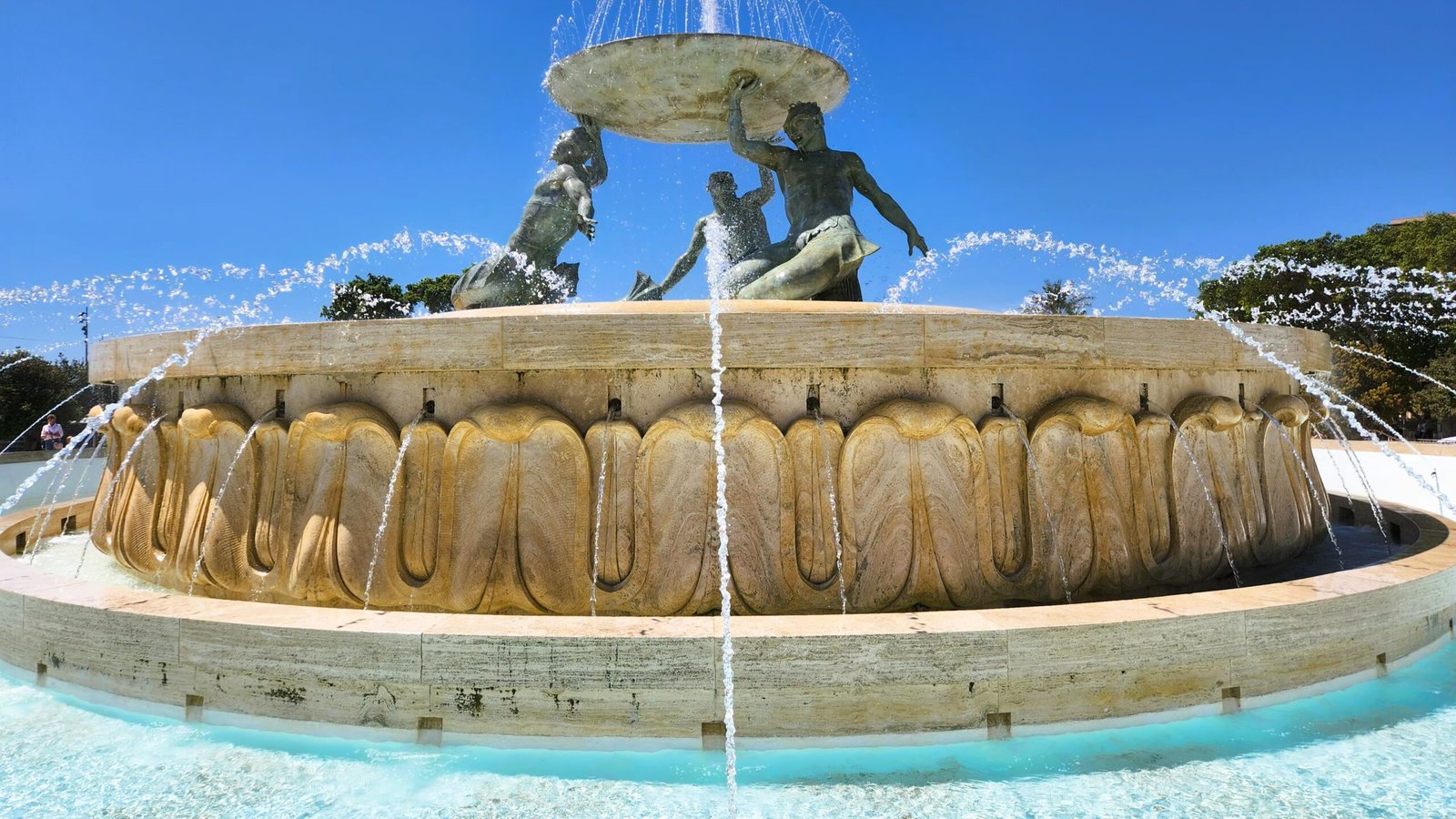
Triton Square and the Old City Gate form the grand entrance to Valletta. The square is a wide public plaza dominated by the Tritons’ Fountain, a monument featuring three bronze Tritons holding a massive basin. Directly infront lies the Old City Gate that is surrounded by massive limestone bastions that creates a dramatic entrance into the city’s main street, Republic Street.
National Museum of Archaeology
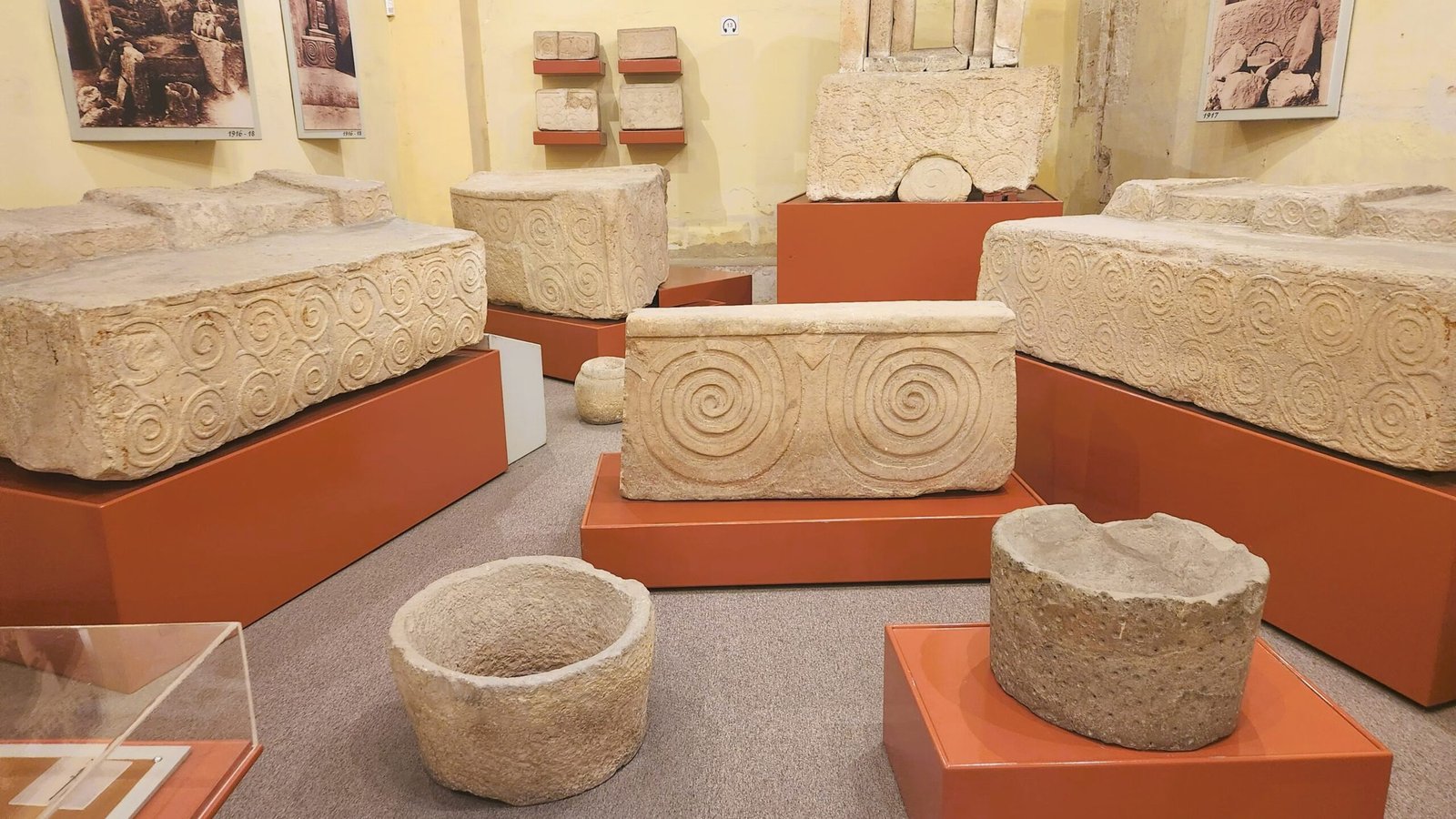
The National Museum of Archaeology houses a collection of artifacts from Malta’s prehistoric periods, dating from 5200 BC to 2500 BC. Highlights include the famous “Sleeping Lady” from the Hal Saflieni Hypogeum and the “Venus of Malta” from Hagar Qim, alongside ancient pottery, stone tools, and altars. The museum offers an incredible introduction to the island’s unique temple-building culture and deep history. It is a small museum but it is packed with heaps of information and artifacts going back thousands of years. There is a small entrance fee of €5.00 per adult.
Mdina
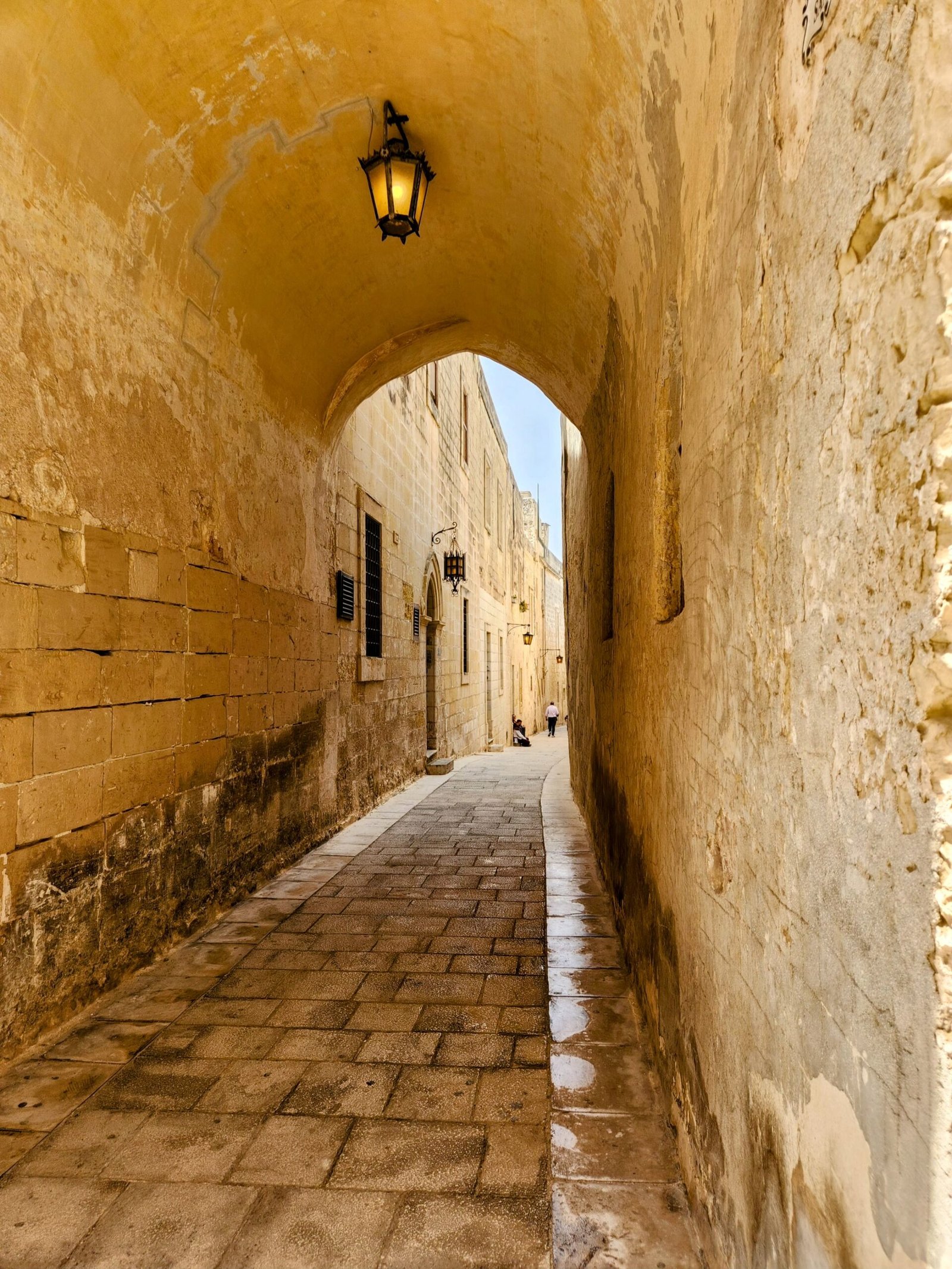
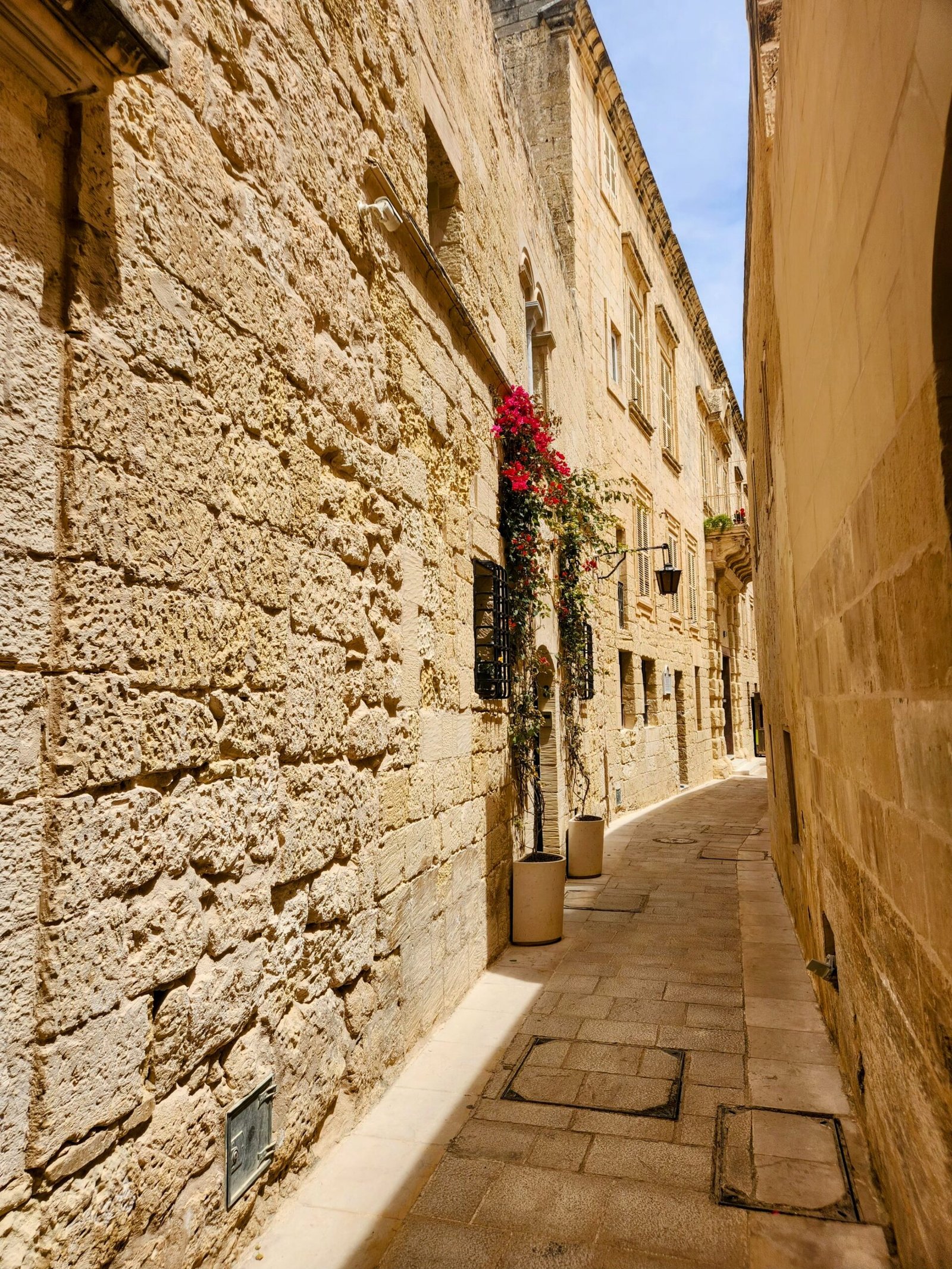
Mdina is Malta’s ancient, fortified medieval capital, famously known as the Silent City. Perched on a hill in the center of the island, it features a maze of narrow, winding honey coloured stone streets lined with stunning Norman and Baroque palaces. Home to the impressive St. Paul’s Cathedral, the city remains mostly car-free, preserving a peaceful atmosphere. Walking along its historic bastions offers breathtaking, panoramic views across the Maltese countryside, making it a destination that feels trapped in another era. To get to Mdina catch busses 51 or 52 from the Valletta Bus Terminal with services run frequently throughout the day. The journey takes about 25 minutes and costs €3.00 per journey. You only need half a day to explore Mdina making it the perfect excurtion from Valletta.
Marsaxlokk
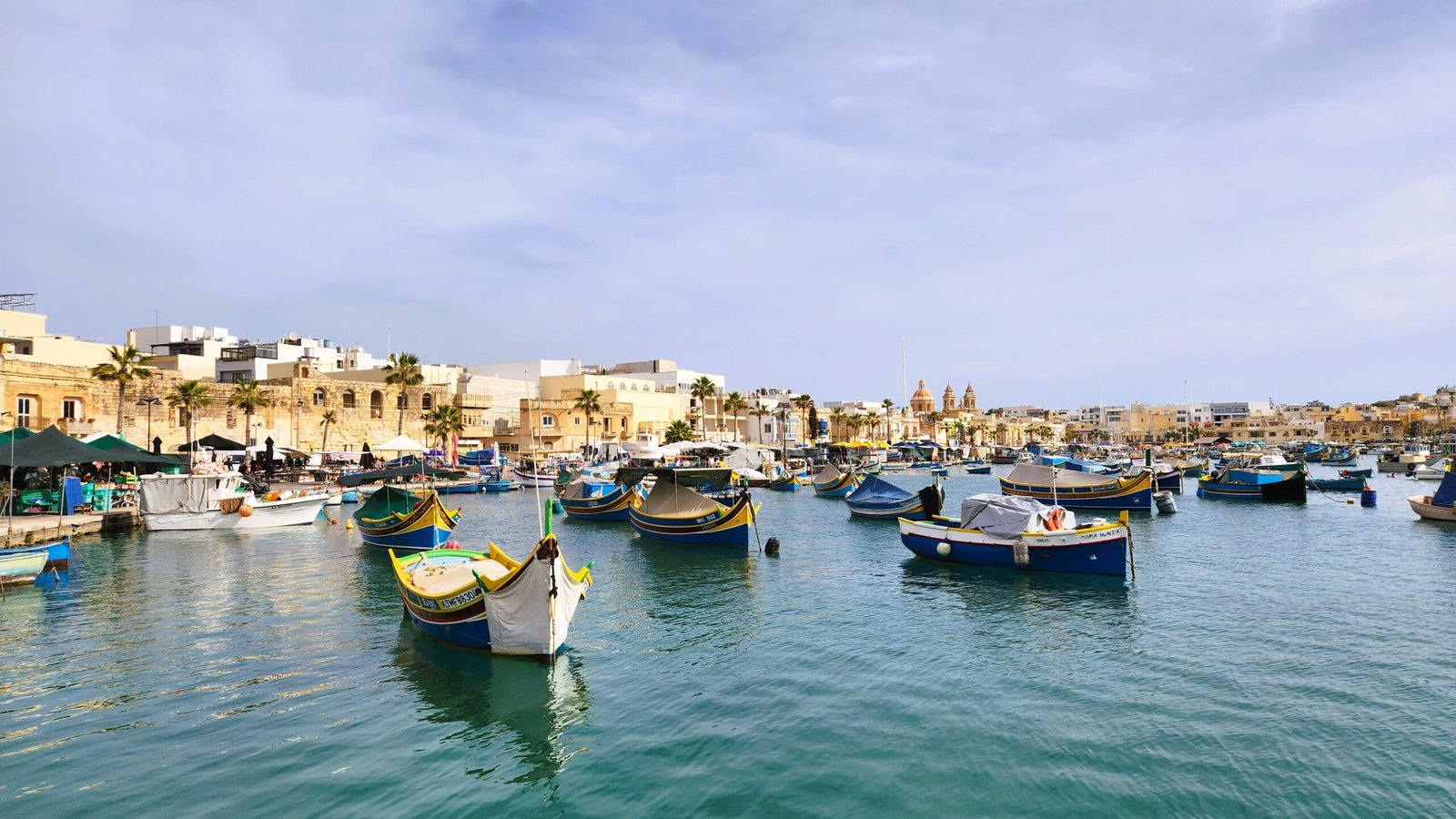
Marsaxlokk is a charming fishing village in southeastern Malta. Its picturesque harbor is filled traditional wooden boats bobbing in the water painted in vibrant shades of blue, yellow, and red. On Sundays, the quiet waterfront transforms into a bustling open-air market. Vendors lay out stalls packed with the morning’s freshest catch, alongside local products, souvenirs, and traditional treats. To enjoy the market aim to arrive by 8am as by 10 am all the tourist buses will arive and you won’t be able to move. to get to Marsaxlokk take bus 81 or 85 from the Valletta bus terminal it only takes about 35 minutes and costs €3.00 euro per journey.
Food & Drink
You will find the highest concentration of restauraunts on Republic Street and the surrounding streets and alleyways. The city isn’t very big at the end of the day so if you have no plan you can’t go wrong with just wandering around and finding a cool looking place to eat or have a drink.
King’s own band club
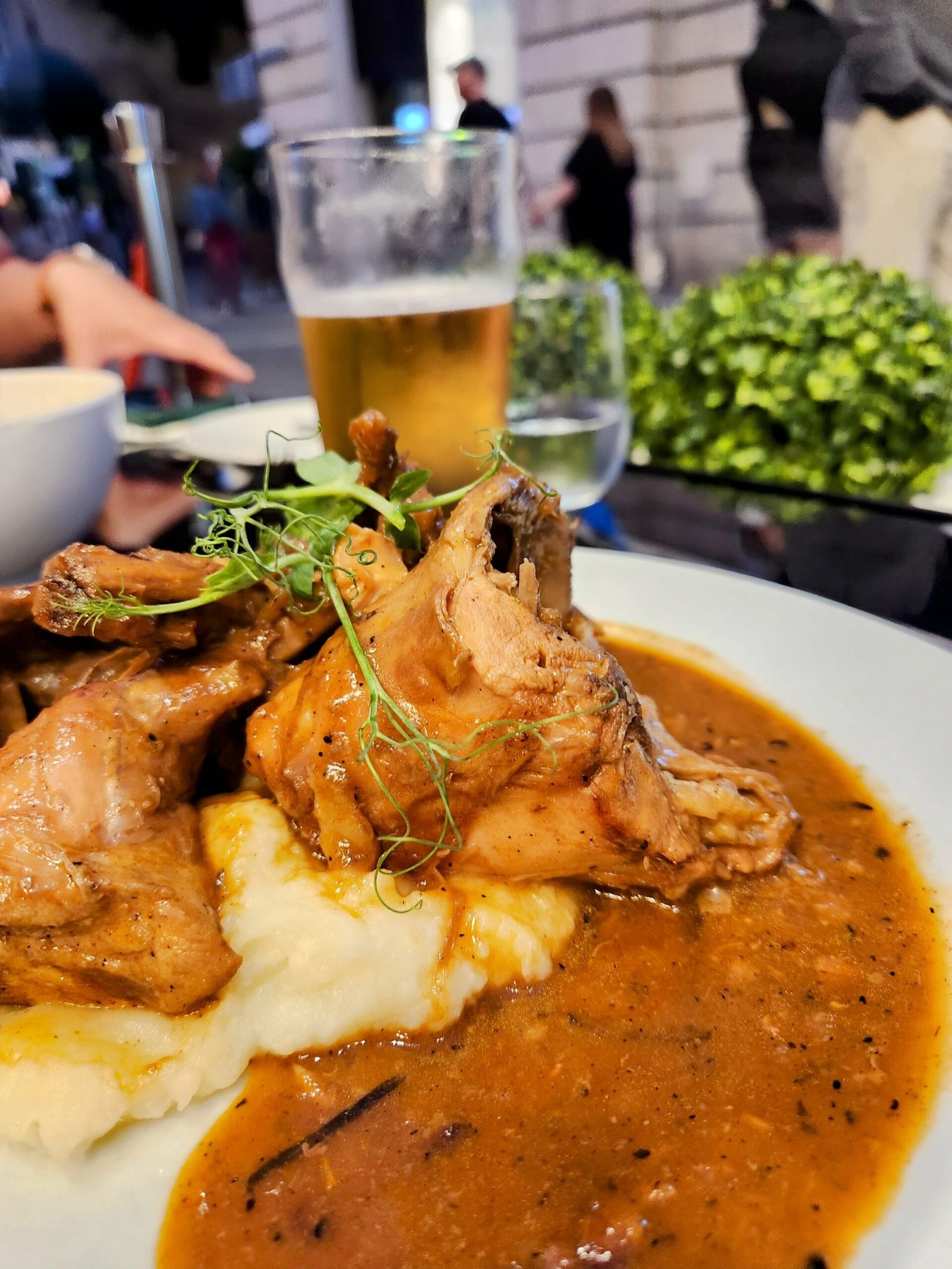
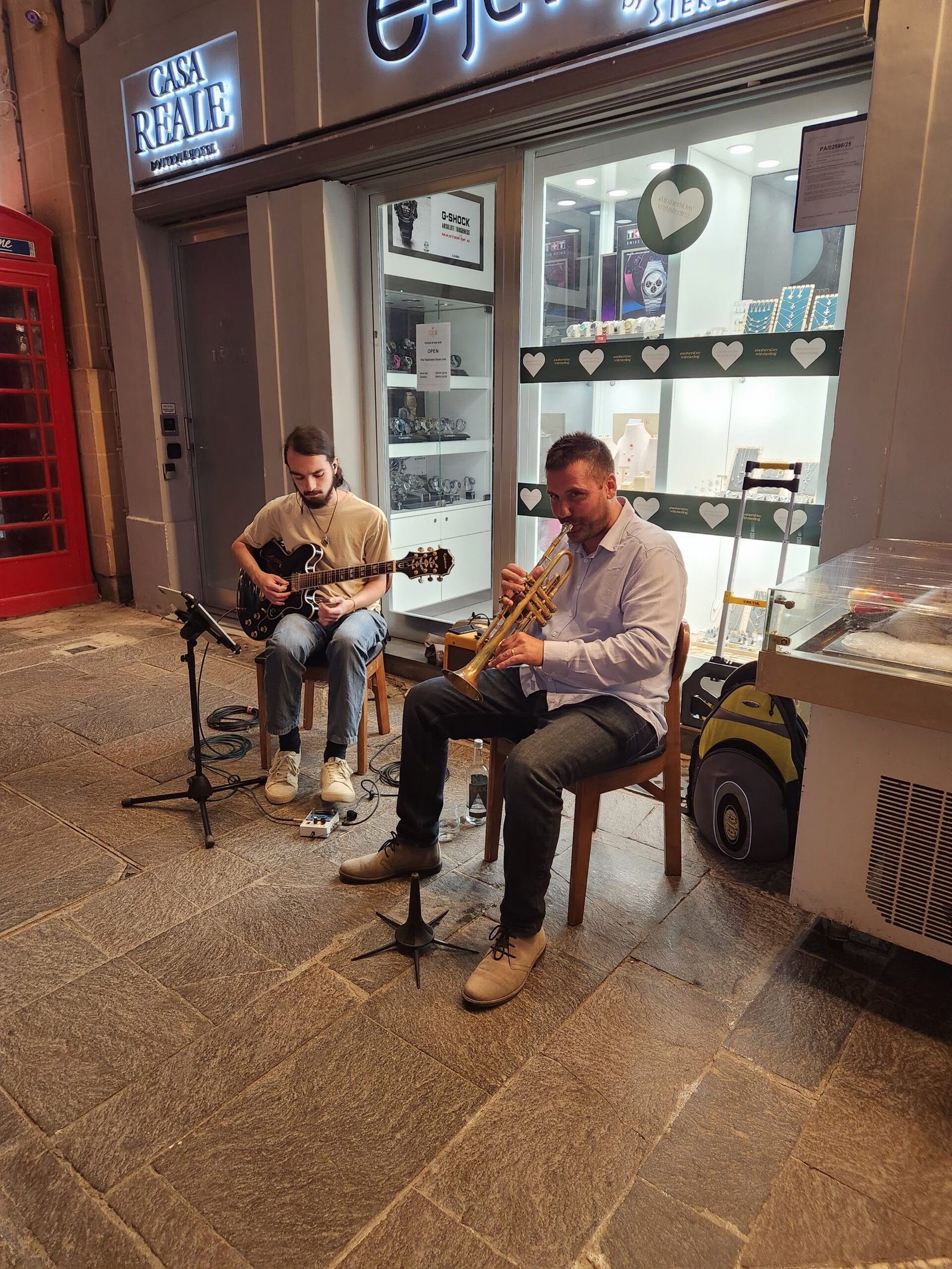
Kings own band club is a cool restaurant on Republic street that serves traditional Maltese food with a side of Jazz Music! we got a couple of traditional dishes here including the Stuffat tal-Fenek (Rabbit stew) and Aljotta (Fish Soup) and sat outside soaking in the atmosphere on Republic street and it was amazing! highly reccomended!
Enjoy a drink on the steps of Valletta!
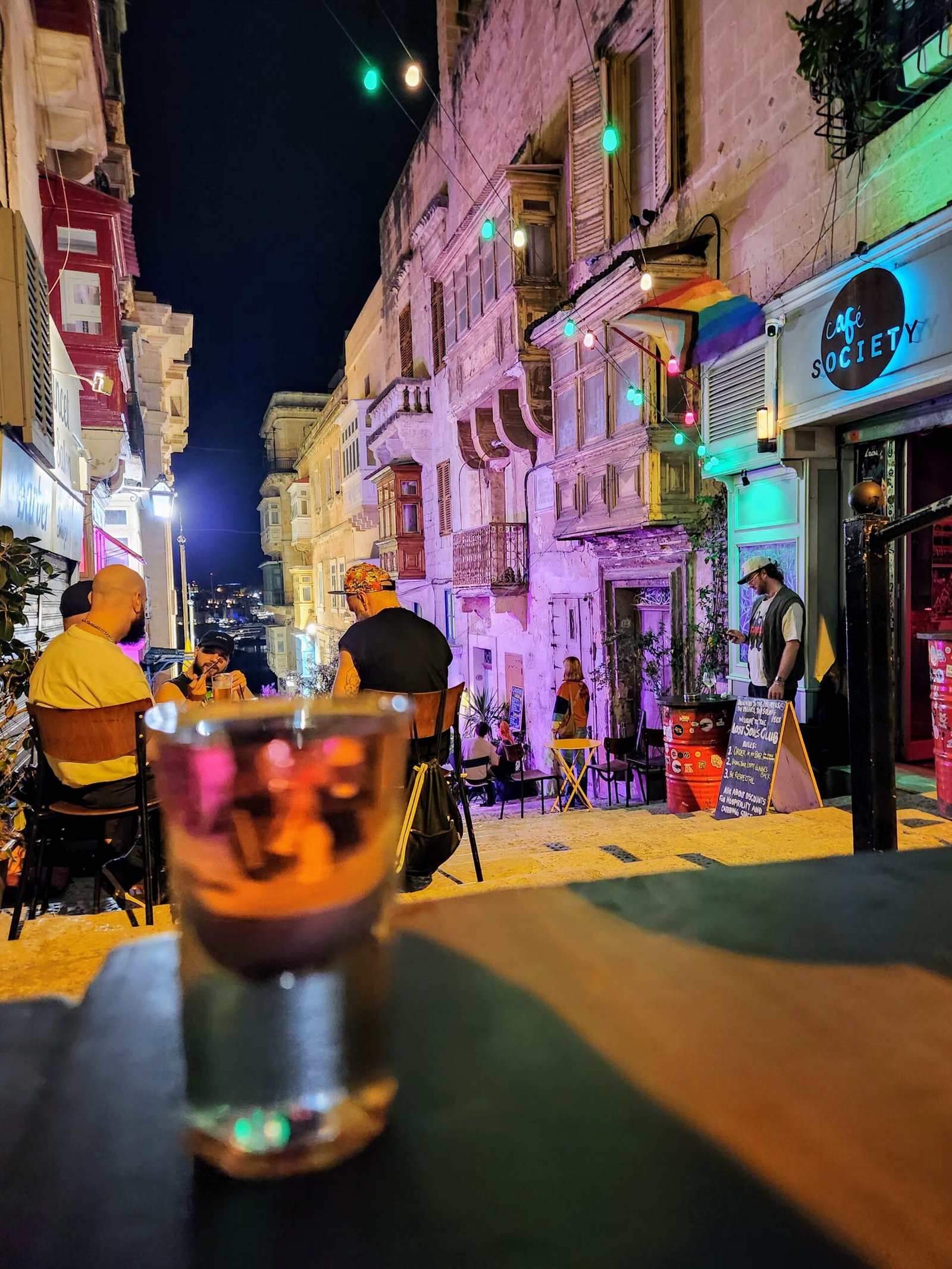
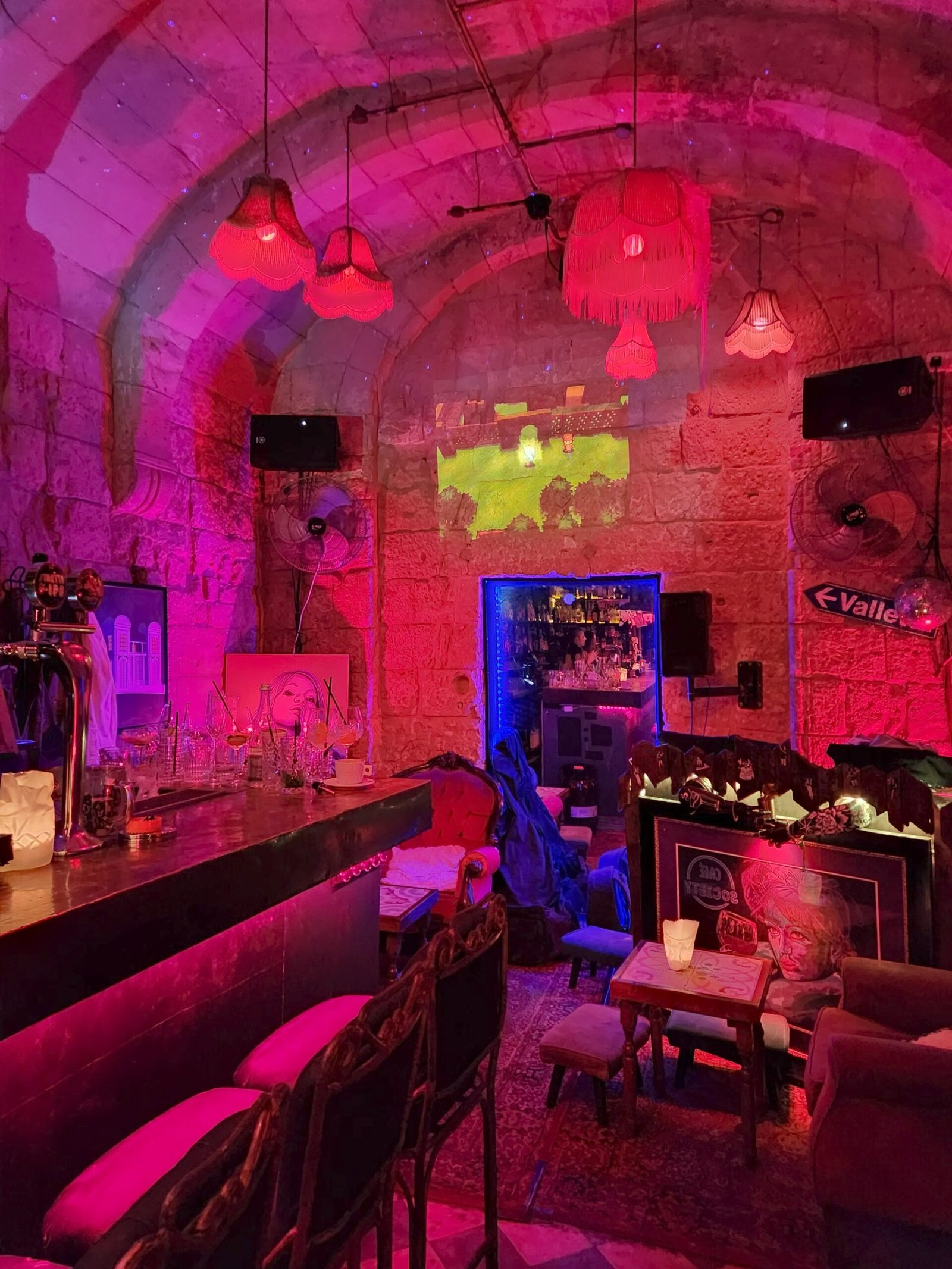
In the afternoon the steps on St. Lucias Street, Triq San Gwann and some the surrounding streets and alleys get turned into outdoor restaurauns and bars overlooking the Grand harbour. We went to a spot called Cafe Society Valletta and sat on the stairs and had a couple of drinks soaking in the vibe and tried a Maltese liqueur called Bajtra. Bajtra is made from prickly pear fruit and it is dangerously delicious! Hanging out on the stairs in the evening is a great way to wind down after a full day of exploring!
Pastizzi
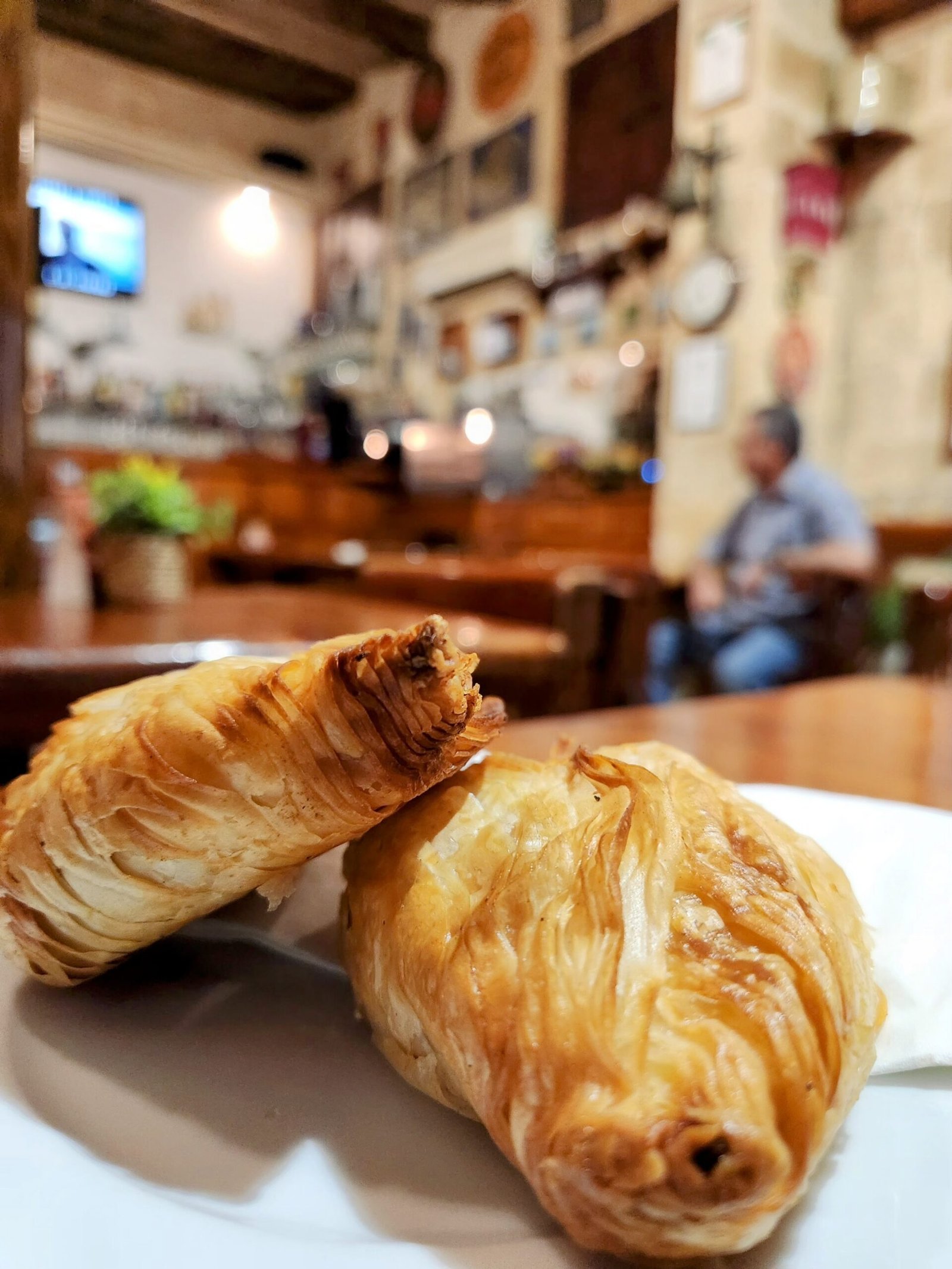
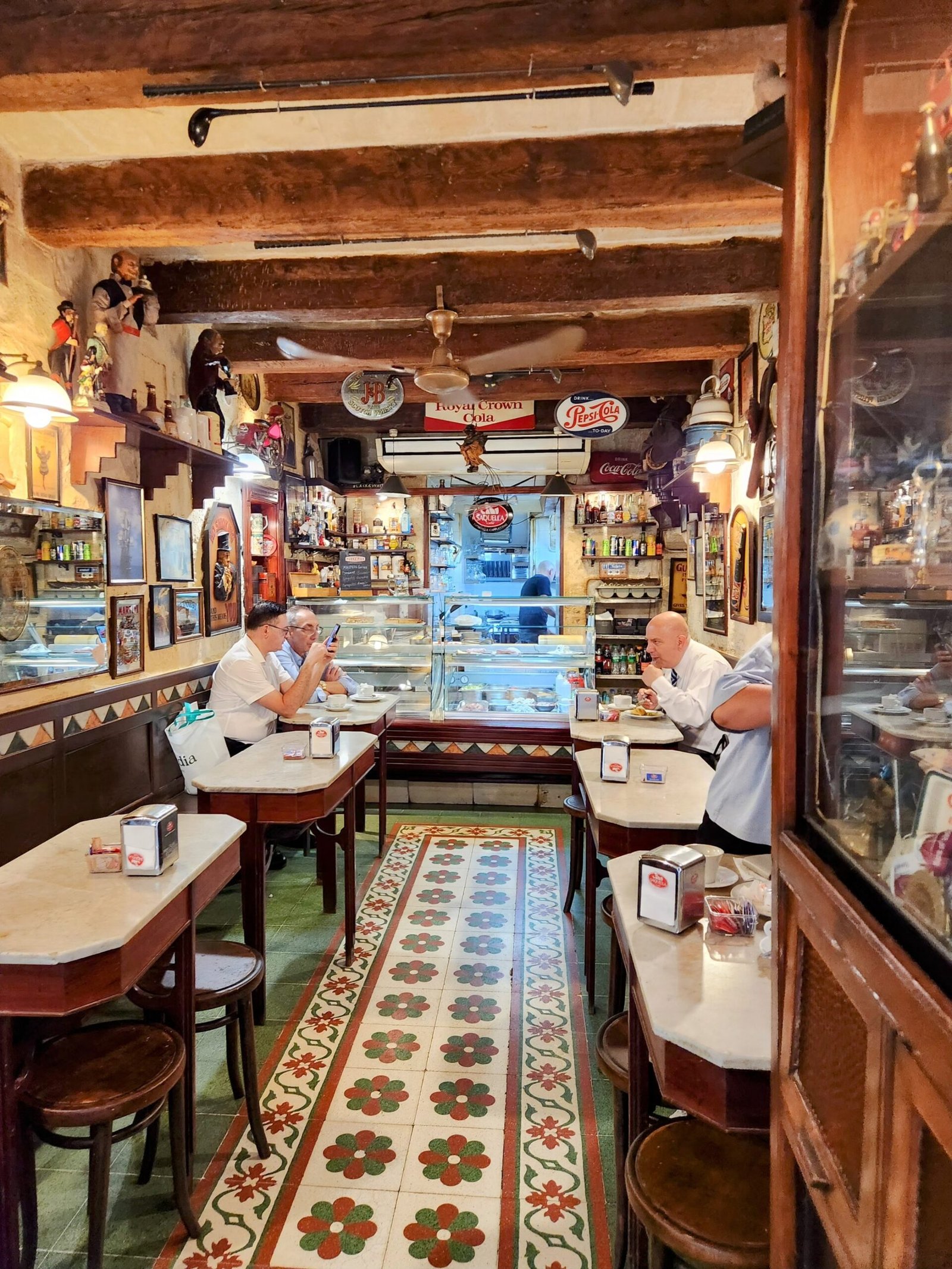
Pastizzi is probably Malta’s most famous food. These savory pastries are made with incredibly flaky pastry and stuffed with one of two fillings: ricotta cheese or a savory, mashed mushy pea blend (sounds gross we know! but trust us it is good!). They are a beloved, greasy staple of Maltese daily life, usually enjoyed alongside a strong coffee or a cold Kinnie soda. We found a couple of awesome local spots that served delicious fresh pastizzi that you definately need to check out. Museum Cafe and Il giffen (Both marked on the map)
More Maltese food to try!
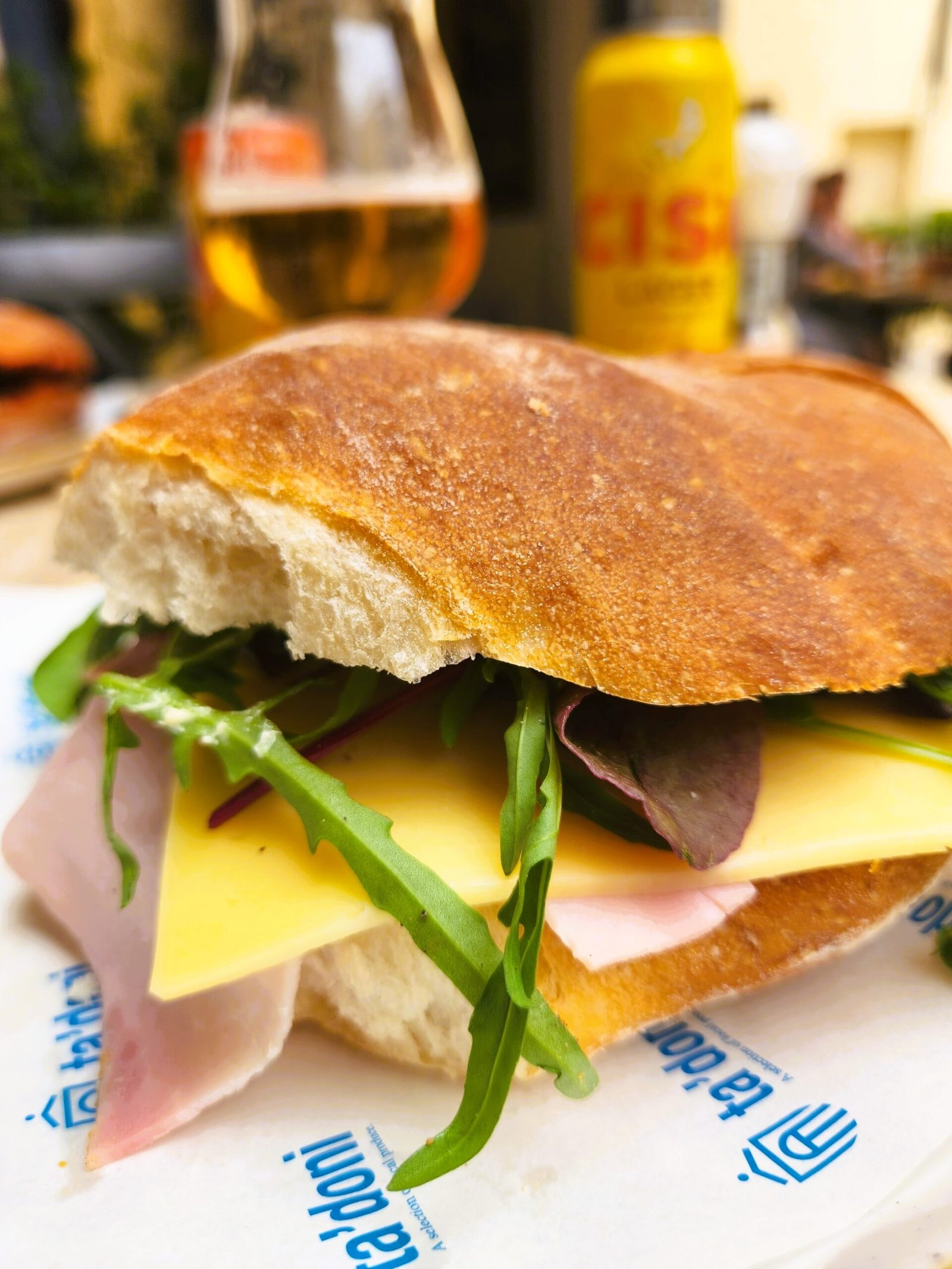
Ftira: Maltese sandwich made using a traditional ring-shaped, sourdough flatbread and filled with fresh local ingedients!
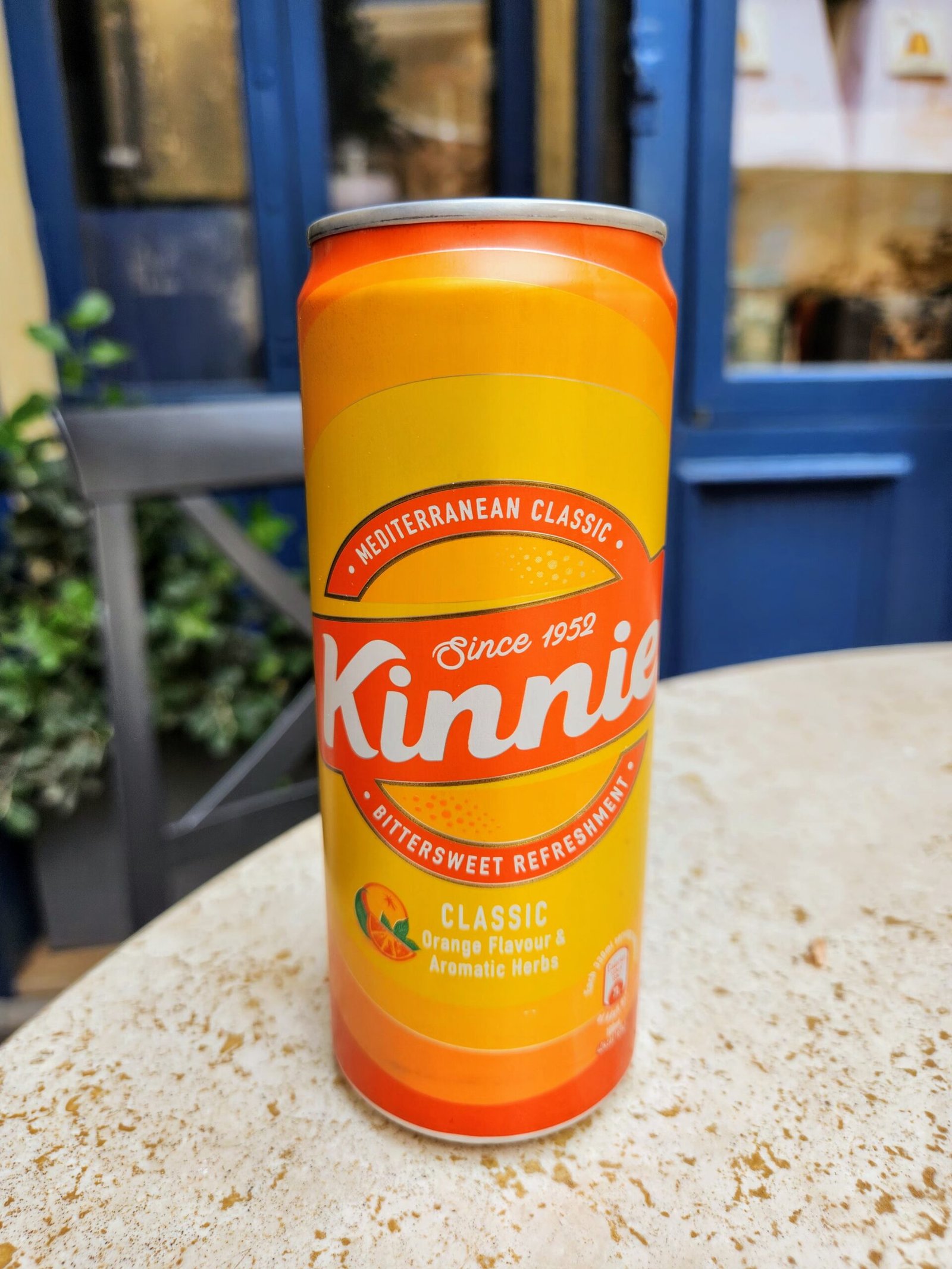
Kinnie: A unique bittersweet carbonated drink with orange flavoring and a blend of aromatic herbs. Very dividing this drink is but we loved it!
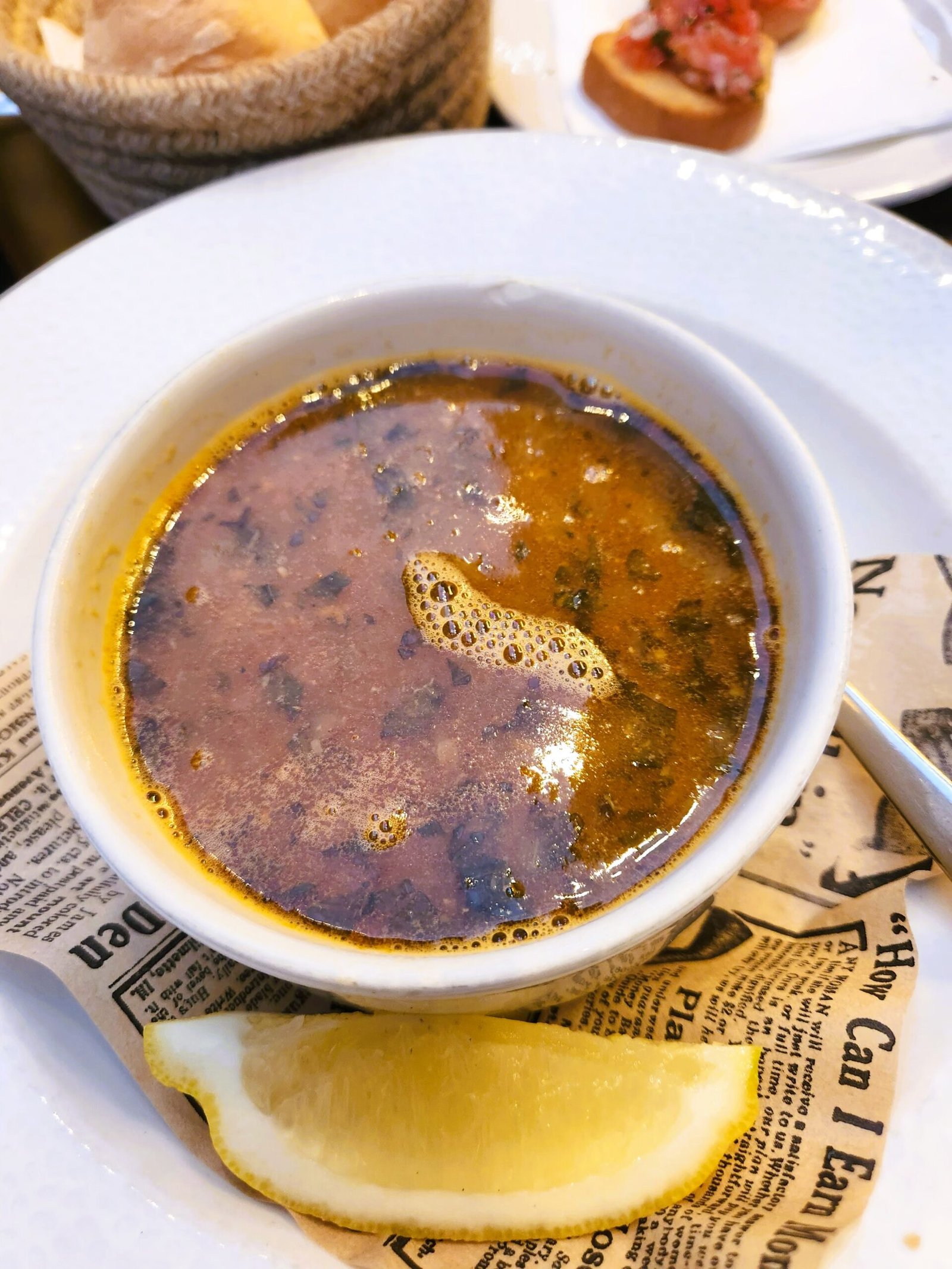
Aljotta: A traditional Maltese fish soup that is made by boiling a whole local fish with heads and tails included to create a rich, intense broth. It’s deeply flavorful, hearty, and aromatic.
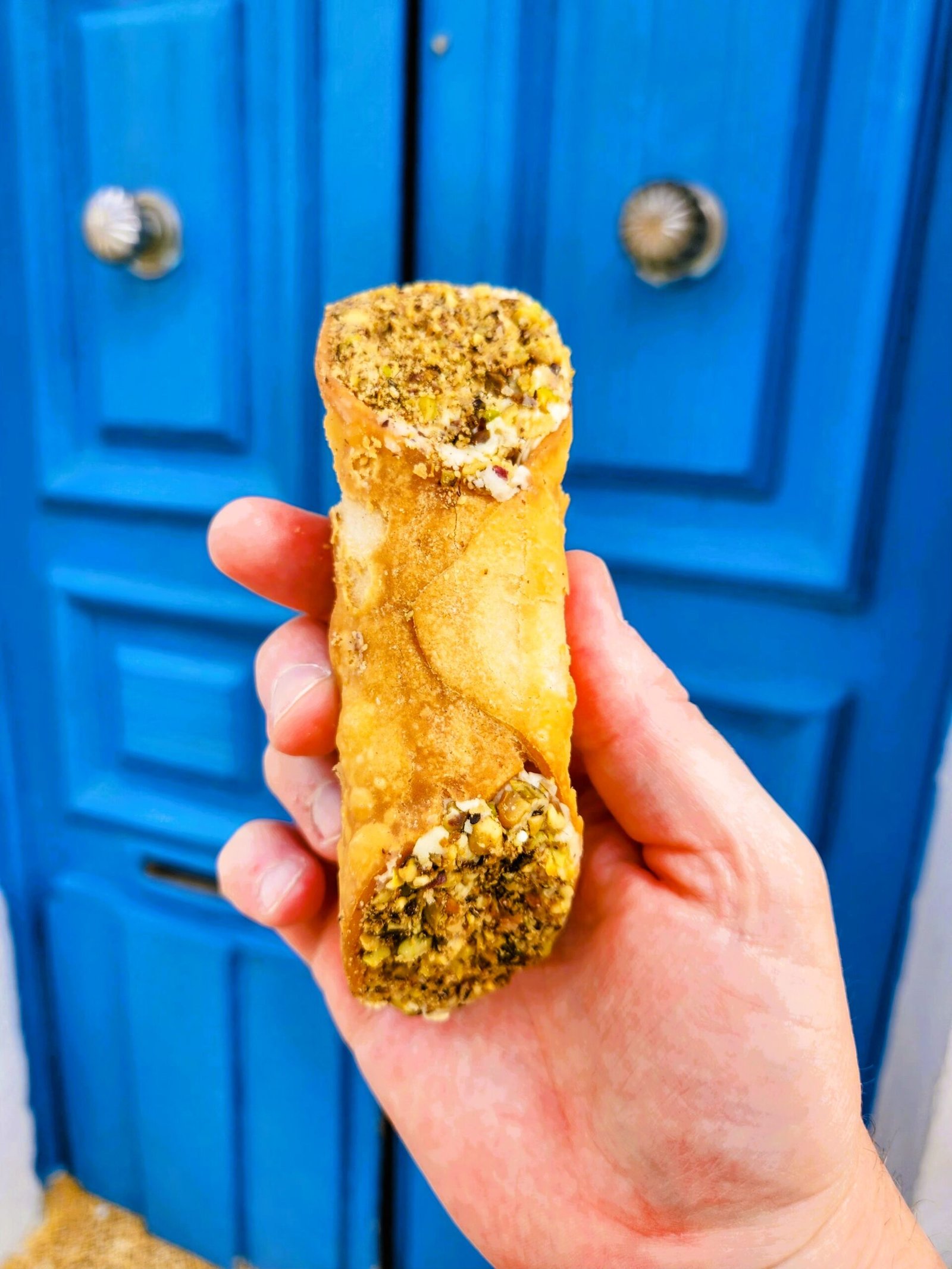
Kannoli: Maltese cannoli, a sweet treat, closely related to their Sicilian cousins. They feature a crisp, fried pastry shell and filled with sweetened ricotta.