
Traveling from Bangkok to Chiang Mai offers various options, each with its own set of advantages and disadvantages. We have travelled between Bangkok and Chiang Mai many times using all the transport options so hopefully our first hand insights can help you plan the perfect journey.
Flying: Quick and Convenient
The fastest way to reach Chiang Mai is by flying. Numerous airlines operate direct flights from Bangkok, taking about 1.5 hours. This option is especially convenient for travelers on a tight schedule. However, keep in mind that airport transfers and waiting times can add to the total travel duration. There are also budget carriers available like Lion Air and Nok Air departing from Don Mueang Airport in Bangkok. You can compare flights here.
Bus: Economical and Scenic
For budget-conscious travelers, taking a bus is a great alternative. Buses depart regularly from various terminals in Bangkok and offer both daytime and overnight services. An overnight bus can save on accommodation costs while enjoying the Thai landscape during the day. However, the journey can take 10-12 hours, which may be exhausting for some travelers. Buses leave from the Mochit bus Terminal in Bangkok, you can book online and check the schedule here.
Train: Experience the Sleeper Train
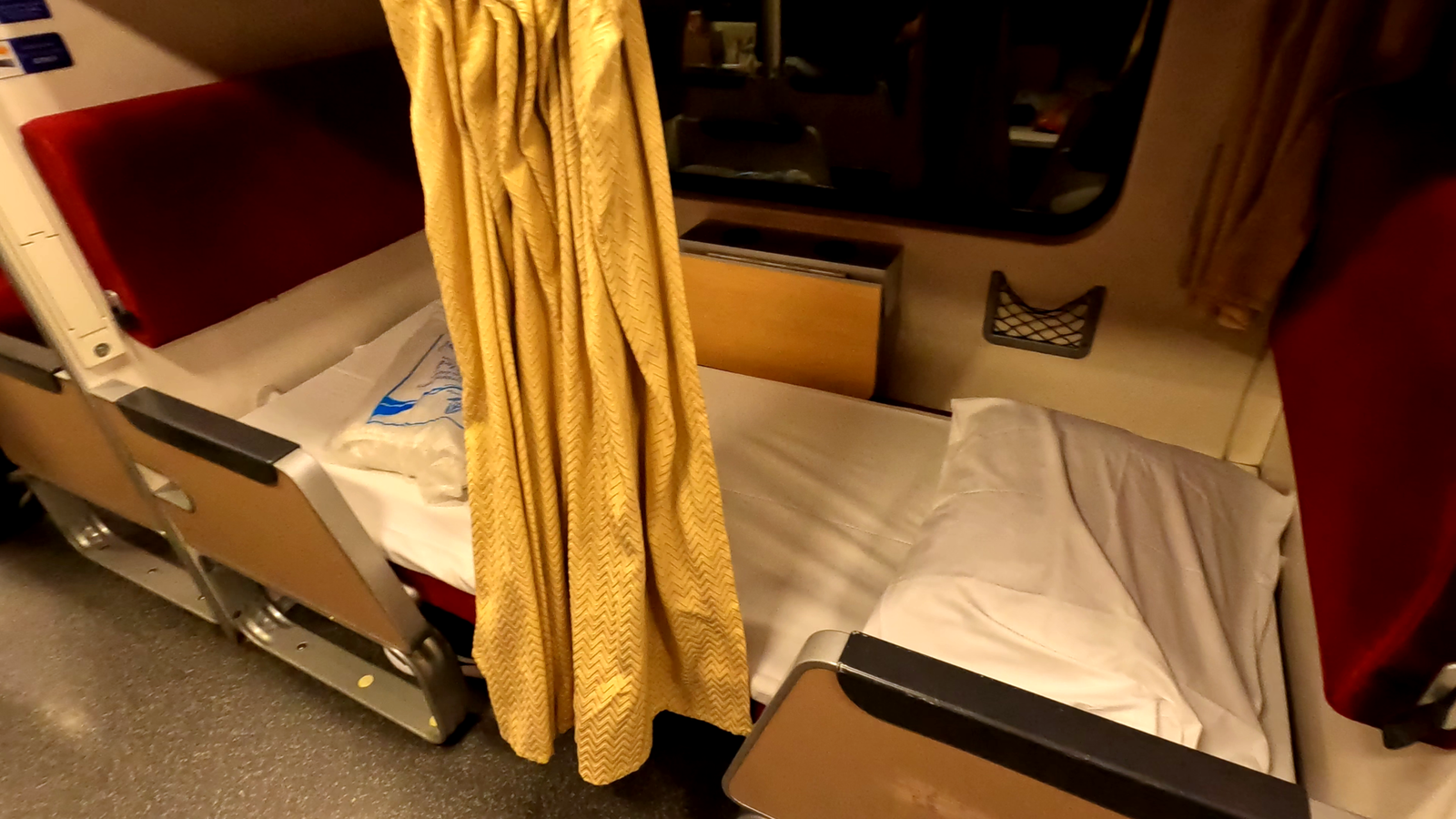
The sleeper train is the ultimate backpacker experience. The train provides comfortable sleeping arrangements and scenic views of the countryside, transforming travel into a memorable experience. The journey takes about 12-15 hours, allowing you to relax and enjoy the ride. However, booking in advance is recommended, especially for the sleeper compartments. Trains depart from the Krung Thep Aphiwat Central Terminal, you can book online and check the schedule here.
Flying is the fastest and most convenient way to get to Chaing Mai but comes at a higher cost, the train is comfortable and gives you the best experience but takes the longest and the bus is cheap and faster than the bus but is uncomfortable. So at the end of the day your choice will come down to you budget, time constraints and pereferences.